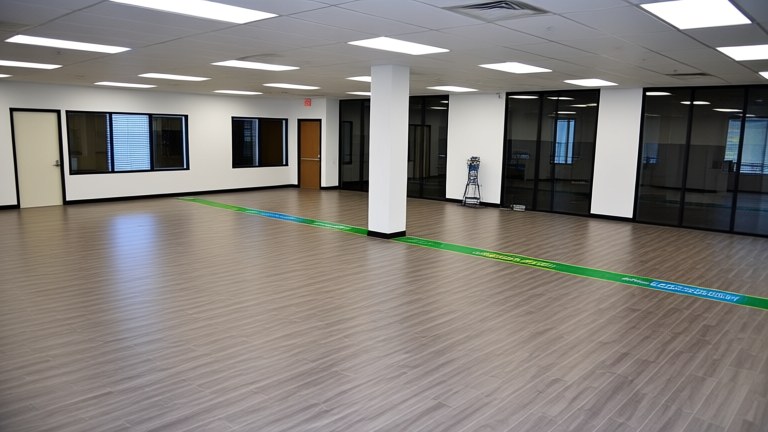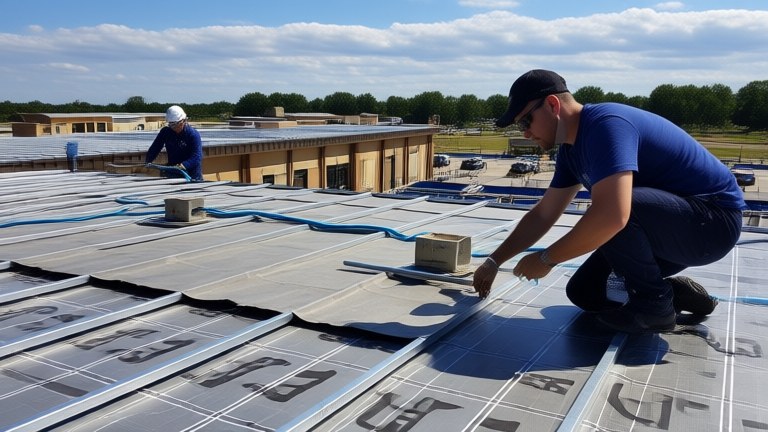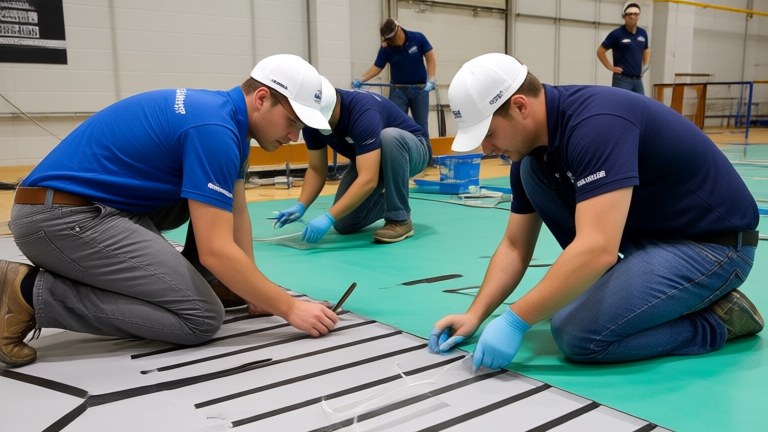
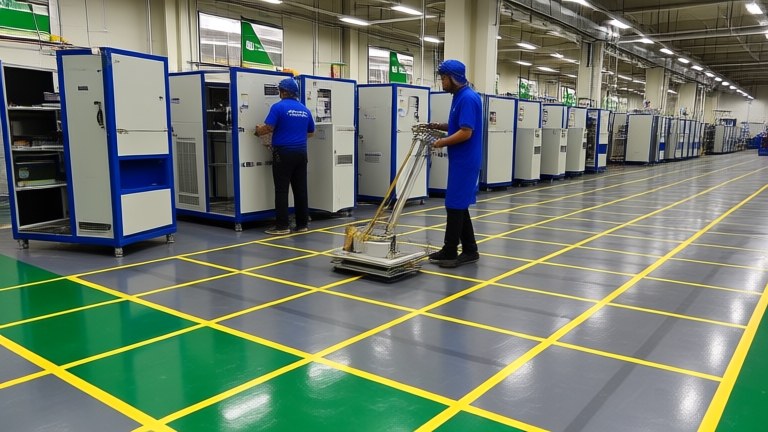
Epoxy and polyurethane flooring are both high-performance resin systems, but they respond differently to impact, temperature, chemicals and movement. The right choice begins with the way the facility actually operates—not simply the appearance of the finished floor.
Understanding epoxy flooring
Epoxy cures to form a hard, dense and highly bonded surface. It is well suited to warehouses, showrooms, plant rooms and production areas where compressive strength, cleanability and a controlled finish are priorities.
Available as coatings, self-levelling layers and heavy-duty screeds, epoxy can be specified in different thicknesses and slip profiles. Its rigid nature makes substrate condition and movement-joint detailing especially important.
- Hard, seamless and easy to clean
- Excellent adhesion to correctly prepared concrete
- Wide choice of colours, gloss levels and line markings
Where PU performs differently
Polyurethane systems retain more flexibility and cope better with impact, vibration and thermal cycling. This makes them particularly valuable in food production, cold stores, wet processing areas and facilities exposed to hot-water washdowns.
PU is not automatically the better system for every project. The exposure conditions, cleaning regime, expected traffic and required return-to-service period must be assessed together.
- Better tolerance of thermal shock
- Strong resistance to impact and aggressive chemicals
- Comfortable under demanding production conditions
The specification decision
A durable specification considers substrate moisture, operating temperature, chemical exposure, wheel loads, hygiene requirements and downtime. Decorative preference comes after these performance questions.
A site inspection and small-area assessment help confirm preparation needs and system build-up. In some facilities, different zones require different resin systems rather than one specification throughout.
Key Takeaways
- Choose by operating exposure, not appearance alone.
- Preparation and system thickness directly affect service life.
- Use PU for thermal movement and harsh washdowns; use epoxy where hardness and finish control lead.